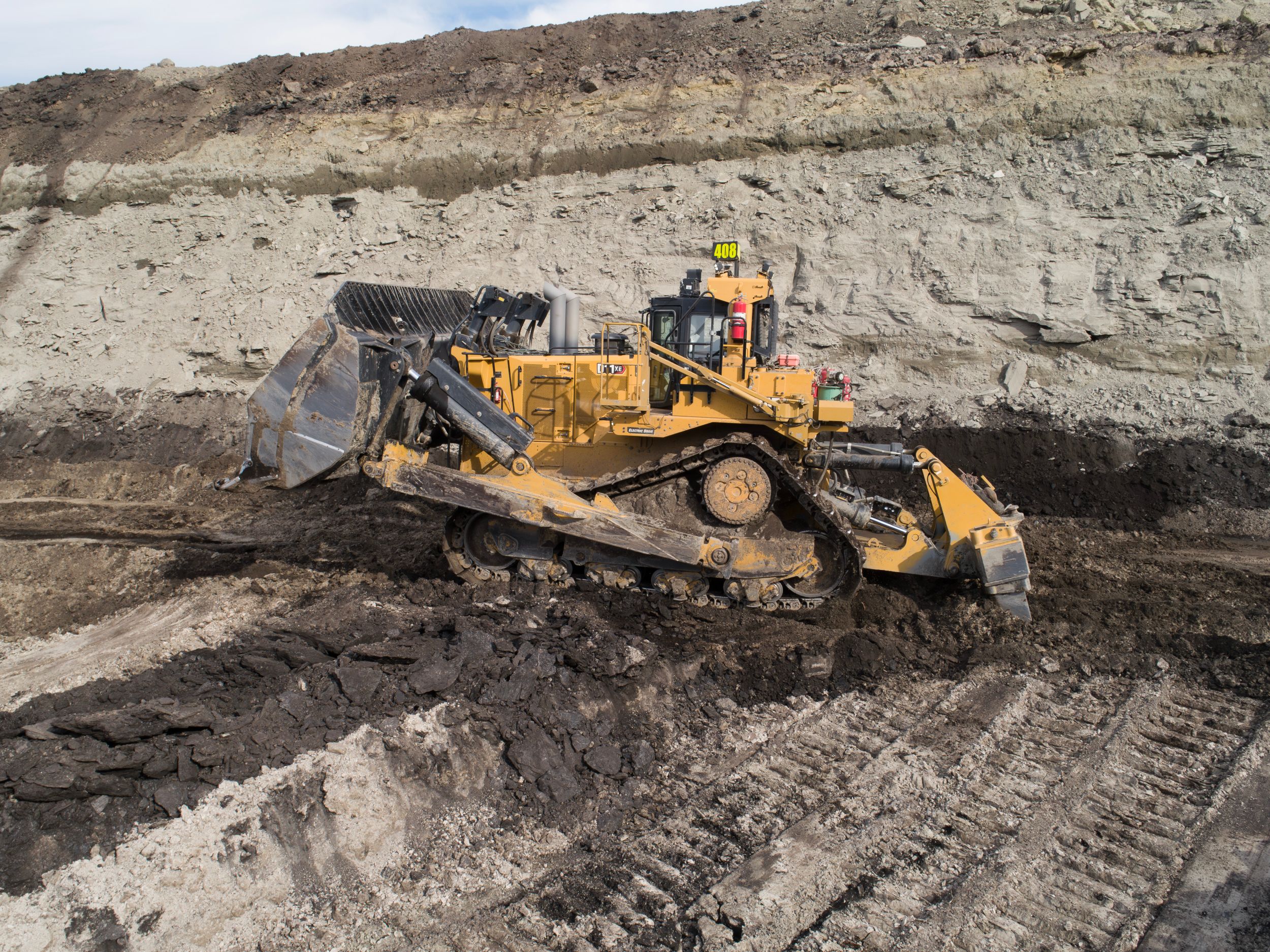
Caterpillar has officially introduced the Cat D11 XE, marking a major milestone in heavy equipment engineering. As the manufacturer’s flagship electric drive dozer, the D11 XE scales high-drive electric architecture up to the largest machine class, delivering maximum pushing power alongside notable efficiency gains for severe mining and bulk earthmoving operations.
The arrival of the D11 XE builds on a progressive roll-out of high-drive electric technology across Caterpillar's track-type tractor range. The journey began with the groundbreaking Cat D6 XE, which introduced electric drive to the medium dozer class. By replacing the traditional mechanical transmission with an electric generator and motor system, the D6 XE proved that constant power to the ground could dramatically lower fuel burn while enhancing fine-grading control. Caterpillar then expanded the technology earlier this year with the introduction of the D8 XE. That launch demonstrated that electric drive efficiency could handle demanding production-dozing tasks, bridging the gap between heavy construction and full-scale mining.
Now, with the D11 XE, Caterpillar brings those same operational principles to its 100-plus-tonne heavyweight contender. The new machine retains the elevated sprocket architecture that isolates final drives from severe ground impact, whilst replacing conventional mechanical shifting components with a high-efficiency electric powertrain.

For quarry and mining operators, the XE electric drive system is said to deliver several clear operational benefits. Superior fuel efficiency is achieved by allowing the diesel engine to run continuously within its optimal speed range, significantly cutting fuel consumption per tonne of material moved compared to conventional mechanical-drive equivalents.
Electric drive also provides instant torque and continuous power to the tracks without traditional gear shifts. This delivers uninterrupted momentum through tough cuts and heavy loads, which ultimately reduces track slip and undercarriage wear. Maintenance costs fall as well, since eliminating torque converters, complex multi-speed transmissions, and traditional drop boxes reduces overall mechanical complexity. Fewer moving parts and fluid points to service translate directly into lower maintenance overhead and longer component life. Finally, continuous power delivery gives operators remarkably precise control over blade loads, making it far simpler to maintain steady pushing speeds across variable ground conditions.

.gif)